Get Septic Pumping Service in Austin, TX
Septic Pumping Services in Austin, TX, help property owners prevent backups, clear clogs, and maintain septic system health through professional pumping and maintenance by local contractors.
Property owners in Austin, TX, who rely on septic systems understand the importance of regular maintenance and timely service. Septic pumping is a practical step to help prevent system backups, odors, and costly repairs, ensuring the functionality of properties that depend on septic tanks. Whether managing a residential home, a commercial property, or a rural residence, exploring local contractor options can provide peace of mind by connecting with experienced service providers familiar with the area's specific needs and regulations.
As property owners consider their septic system maintenance plans, comparing local contractors can help identify the right professionals for the job. Many service providers in the Austin area specialize in septic pumping and related services, offering reliable solutions tailored to different property types and sizes. Continuing to read can help homeowners and property managers find the information needed to make informed decisions about septic system care and maintenance.
- Septic Tank Pumping - needed when a septic system in neighborhoods like Hyde Park or Allandale shows signs of backups or slow drains.
- Septic System Inspection - recommended for homeowners in areas such as West Lake Hills or Barton Hills preparing for property sales or routine checkups.
- Septic Maintenance - essential when septic systems in communities near Lake Travis require regular servicing to prevent system failure.
- Septic Tank Cleaning - necessary when waste buildup causes odors or plumbing issues in residential areas like Crestview or Rosedale.
- Septic Repair Services - needed when septic systems in Austin's central neighborhoods experience leaks, clogs, or other malfunctions.
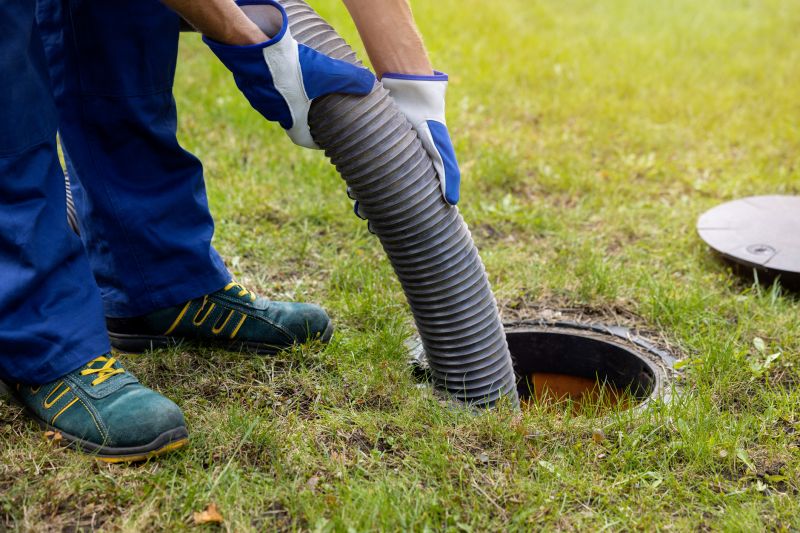
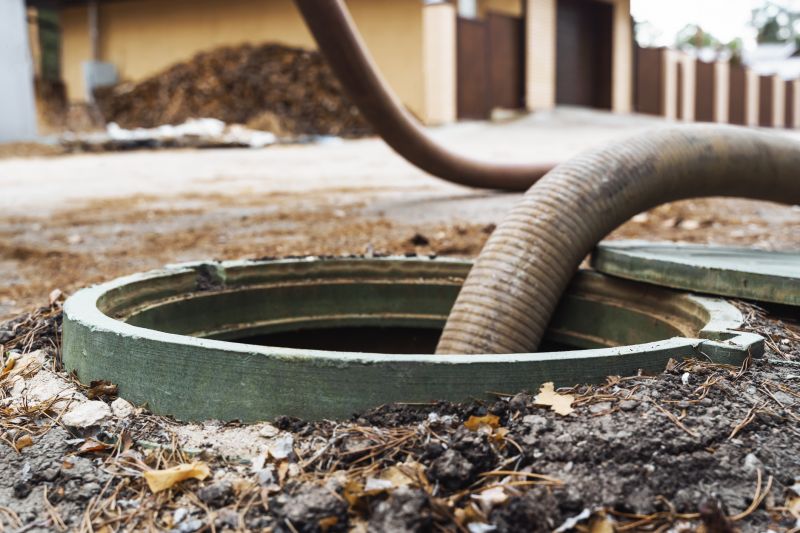
Septic pumping services involve the removal of accumulated sludge, scum, and other solids from a property's septic tank. Over time, waste and debris build up inside the tank, which can lead to reduced system efficiency or potential backups. Professional septic pumping ensures that the tank remains clean and functions properly, helping to prevent costly repairs and inconvenient failures. Regular maintenance through pumping is a key step in keeping a septic system operating smoothly and extending its lifespan.
Many common problems can be addressed or prevented through septic pumping. These include slow drains, foul odors, backups in toilets or sinks, and standing water around the septic tank area. When a septic tank becomes too full or clogged, it can cause waste to surface or flow back into the property’s plumbing. Septic pumping helps eliminate these issues by removing the buildup that impairs the system’s ability to process waste effectively, reducing the risk of more serious damage or system failure.
Properties that typically require septic pumping include homes in rural or semi-rural areas, properties with no access to municipal sewer lines, and those with private septic systems. Residential properties with larger families or frequent visitors may also need more regular pumping to handle increased waste. Additionally, commercial properties, small businesses, or rental units with septic systems benefit from scheduled maintenance to ensure compliance and avoid disruptions. Recognizing the signs of a full or failing septic system can help property owners determine when professional pumping is needed.
Homeowners should consider septic pumping services as part of routine maintenance or when specific issues arise. If there are persistent odors, slow draining fixtures, or gurgling sounds in plumbing, it may indicate that the septic tank needs attention. Regular inspections and pumping can help prevent emergency repairs and keep the system functioning reliably. Contacting experienced local contractors for septic pumping ensures the job is done correctly, supporting the ongoing health and functionality of the property’s septic system.
The overview below groups typical Septic Pumping Service projects into broad ranges so you can see how smaller, mid-sized, and larger jobs often compare in Austin, TX.
In many markets, a large share of routine jobs stays in the lower and middle ranges, while only a smaller percentage of projects moves into the highest bands when the work is more complex or site conditions are harder than average.
Routine Pumping - typical costs for regular septic tank pumping generally range from $250-$600 for many smaller jobs. Most routine maintenance falls within this middle range, depending on tank size and location.
Septic Tank Inspection - inspections usually cost between $100-$300, with many local contractors offering this service as part of regular maintenance. Larger or more detailed inspections may push prices higher.
Septic System Repairs - minor repairs like fixing a broken baffle or replacing a lid often cost between $200-$800. More extensive repairs, such as replacing pipes or components, can reach $1,500 or more, though fewer projects fall into these higher tiers.
Full System Replacement - complete septic system replacements typically range from $3,000 to $7,000, with larger, more complex projects potentially exceeding $10,000. Many projects are in the lower to middle part of this range, depending on site conditions.
Actual totals will depend on details like access to the work area, the scope of the project, and the materials selected, so use these as general starting points rather than exact figures.
Drain Field Repair - contractors skilled in diagnosing and repairing drain field issues often perform work similar to septic pumping, ensuring proper waste flow and system longevity.
Septic Tank Installation - professionals who install septic tanks have experience with site assessment, planning, and using specialized tools, which aligns with septic pumping projects.
Wastewater System Maintenance - service providers maintaining wastewater systems handle tasks like cleaning and inspecting components, similar to septic system servicing.
Drain Line Cleaning - experts in clearing clogged drain lines utilize equipment and techniques comparable to those used in septic line cleaning and pumping.
Septic System Inspection - inspectors assess septic system condition and functionality, requiring knowledge of system components similar to septic pumping procedures.
Leach Field Installation - contractors installing leach fields plan and execute soil and drainage solutions, paralleling septic system planning and maintenance skills.
When comparing service providers for septic pumping, it’s important to consider their experience with similar projects in the Austin area. A contractor who has handled systems comparable to your property’s size and type can offer insights into what to expect and how to address potential challenges. Asking about their history with septic systems in the community can help determine whether they are familiar with local soil conditions, regulations, and common issues, which can contribute to a smoother, more reliable service experience.
Clear, written expectations are vital when evaluating local contractors. A reputable service provider should be able to outline the scope of work, including what is included and any potential additional charges. This transparency helps ensure that both parties have a shared understanding of the project and reduces the likelihood of surprises. When reviewing options, look for providers who communicate their process clearly and provide detailed information about what the septic pumping service entails.
Reputable references and effective communication are key indicators of a trustworthy contractor. Asking for references from previous clients in the Austin area can offer insights into their reliability and quality of work. Additionally, a provider who responds promptly and clearly to questions demonstrates professionalism and a commitment to customer service. Remember, the goal is to find local service providers who can handle the job competently and communicate openly throughout the process, making it easier to compare options and select a contractor that aligns with your needs.
Property owners in Austin, TX use Septic Pumping Service services for practical projects around their homes and businesses. This guide focuses on everyday jobs and straightforward project options.
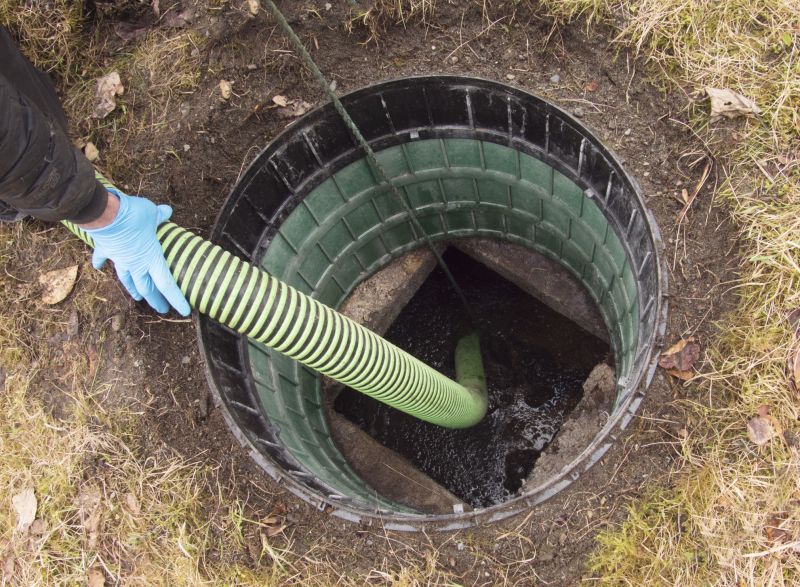
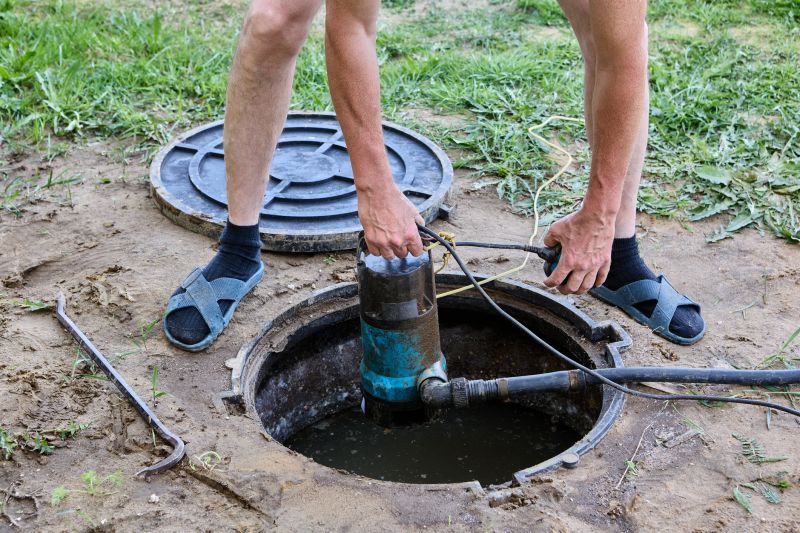
Septic pumping services are often needed when property owners in Austin, TX notice slow draining sinks, toilets that backup, or foul odors emanating from their septic systems. These signs can indicate that the tank needs to be emptied to prevent potential overflows or damage. Additionally, routine maintenance, such as scheduled pumping, helps keep septic systems functioning properly, especially for homes and businesses that rely on on-site waste management. Local contractors can provide the necessary services to ensure the system operates smoothly and efficiently.
Property owners may also seek septic pumping when preparing for new construction, renovations, or property inspections that require a clean and functional septic system. Regular pumping can help avoid costly repairs and extend the lifespan of the system. Whether dealing with a sudden issue or planning routine maintenance, local service providers in Austin are available to handle septic pumping needs, offering solutions tailored to the specific requirements of each property.
What is septic pumping service? Septic pumping involves removing accumulated waste and sludge from a septic tank to ensure proper system function and prevent backups.
How often should septic tanks be pumped? The recommended frequency varies based on tank size and household usage, but many local contractors suggest pumping every 3 to 5 years.
What are signs that septic pumping may be needed? Signs include slow draining fixtures, unpleasant odors around the system, or standing water near the septic tank or drain field.
What should I consider when choosing a septic pumping service? It's important to select experienced local contractors with good reputation and proper equipment to handle the job effectively.
What does septic pumping involve? The process typically includes accessing the septic tank, removing sludge and scum with specialized equipment, and inspecting the system for any issues.
Septic Tank Inspection - Regular inspections help property owners identify potential issues early, preventing costly repairs and ensuring proper system function.
Pumping for New Installations - When installing a new septic system, local contractors can provide essential pumping services to prepare the site and ensure a smooth setup.
Maintenance for Property Upgrades - Upgrading plumbing or landscaping around a property may require septic pumping to avoid system disruptions during renovations.
Emergency Pumping Services - In cases of system backups or overflows, property owners can rely on local service providers for prompt pumping to resolve urgent issues.
If you are thinking about Septic Pumping Service for a property in Austin, TX, this guide is meant to help you understand the work, the typical project types, and how different options might fit your plans.
When you are ready, you can use the quote form on this page to share a few details about your project. From there, local pros can review the basics and respond with options that match what you have in mind.