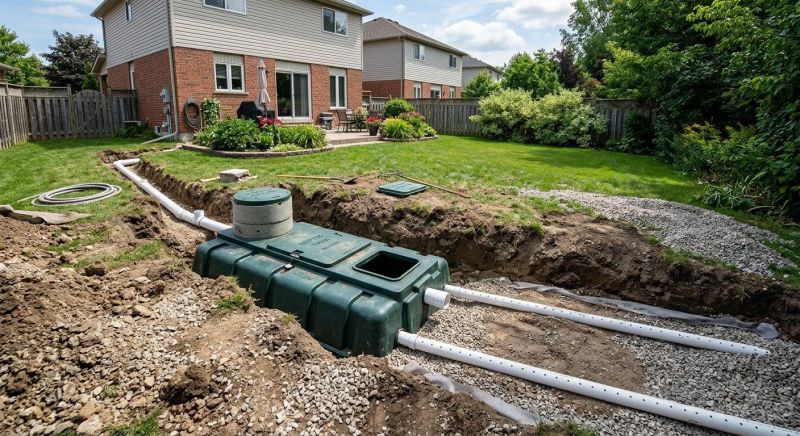
Septic System Relocation in Denver, CO
Septic system relocation services involve moving an existing septic tank and associated components to a new location on a property. This process is often necessary when property owners plan new construction, renovations, or landscaping that interfere with the current septic system placement. Projects can range from shifting the system to a different part of the yard to accommodate new structures, to repositioning it for improved access or compliance with local regulations. Property owners should understand the layout of their land, the condition of their current septic system, and any local codes or permits required before requesting a relocation service.
Before requesting septic system relocation, homeowners typically want to know about the feasibility of moving the system, including site suitability and potential impacts on property use. It’s also important to consider the condition of the existing septic components and whether they can be reused or need replacement. Understanding the process, including site assessments, potential excavation, and any necessary permits, helps property owners prepare for the project. Clear information about the scope of work and compliance requirements ensures the relocation aligns with local standards and property needs.
Many property owners in Denver, CO look into Septic System Relocation for repairs, replacements, upgrades, and appearance-related improvements.
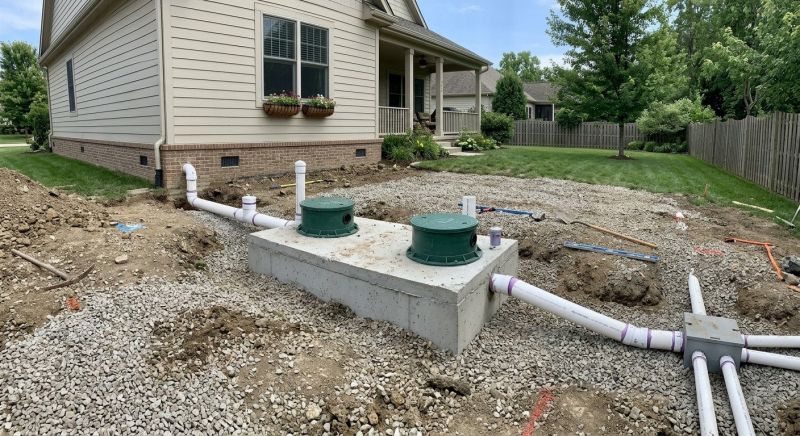
Septic System Relocation Services
Examples of septic system relocation work property owners may explore in denver, co.
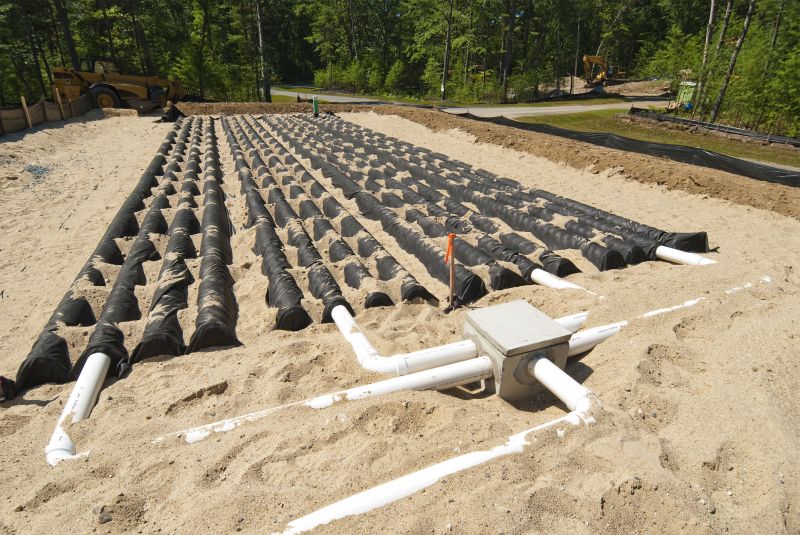
Septic System Relocation Updates
Common ways people refresh, improve, or restore septic system relocation features in denver, co.
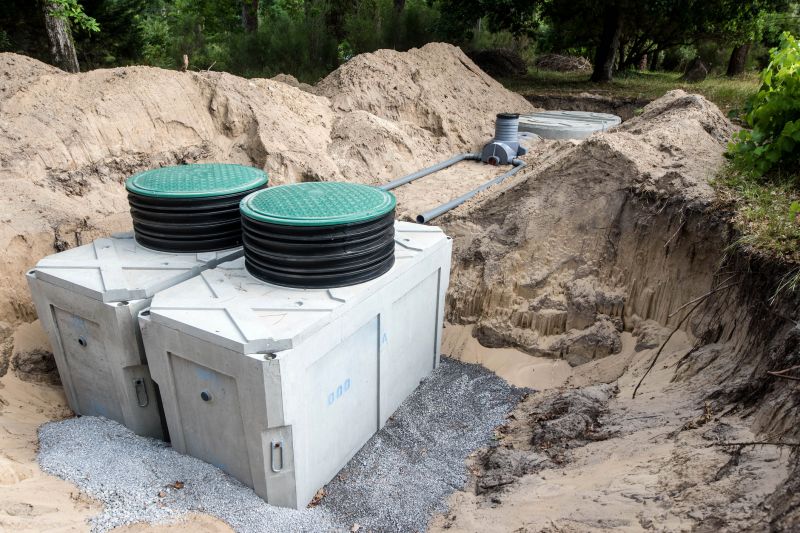
Septic System Relocation Options
Different styles, layouts, and finishes people consider for septic system relocation in denver, co.
Septic System Relocation in Denver, CO

Septic system relocation services involve moving an existing septic tank and associated components to a new location on a property. This process is often necessary when property owners plan new construction, renovations, or landscaping that interfere with the current septic system placement. Projects can range from shifting the system to a different part of the yard to accommodate new structures, to repositioning it for improved access or compliance with local regulations. Property owners should understand the layout of their land, the condition of their current septic system, and any local codes or permits required before requesting a relocation service.
Before requesting septic system relocation, homeowners typically want to know about the feasibility of moving the system, including site suitability and potential impacts on property use. It’s also important to consider the condition of the existing septic components and whether they can be reused or need replacement. Understanding the process, including site assessments, potential excavation, and any necessary permits, helps property owners prepare for the project. Clear information about the scope of work and compliance requirements ensures the relocation aligns with local standards and property needs.
Many property owners in Denver, CO look into Septic System Relocation for repairs, replacements, upgrades, and appearance-related improvements.
Common Septic System Relocation Jobs
Septic System Relocation - involves moving an existing septic system to a new location on the property.
Site assessment and planning - ensures the new site meets local regulations and is suitable for septic installation.
Excavation and installation - includes digging and setting up the new septic tank and drain field components.
Permitting and compliance - covers obtaining necessary approvals and adhering to local codes for the relocation.
System connection and testing - involves reconnecting the system and verifying proper operation after installation.
Property restoration - includes backfilling, grading, and restoring the landscape around the new septic system.
Septic System Relocation Questions
What is septic system relocation? It involves moving an existing septic system to a new location on the property to accommodate construction or land use changes.
When is septic system relocation necessary? It is needed when the current system no longer meets property needs, or new structures require a different placement for proper functioning.
What should property owners consider before relocating a septic system? Factors include soil conditions, distance from wells and buildings, and local regulations to ensure proper placement and compliance.
How does the relocation process typically work? It involves site assessment, designing a new system layout, excavation, and installation of the new septic components.
Request Septic System Relocation in Denver, CO
Use the quote form on this page to share the basics of your project and request more information for the type of work you need.